
Analytical Guide to Online Tennis Betting: Surface Dynamics and In-Play Trading
অফিশিয়াল প্রসেস টাইমলাইন
Tennis is one of the most intellectually engaging and statistically quantifiable sports in the global wagering landscape. Unlike team sports where individual performance can be masked by squad dynamics or tactical substitutions, tennis is a gladiatorial individual contest. Every physical niggle, psychological hesitation, and tactical mismatch is magnified across two to five sets. For sports bettors in Bangladesh, tennis provides near-continuous daily action across eleven months of the year, spanning the ATP Tour, WTA Tour, and four premier Grand Slam championships.
Successful tennis wagering relies on rigorous quantitative analysis rather than casual name recognition. Key performance indicators—such as first-serve win percentage, second-serve vulnerability, break-point conversion efficiency, and surface-specific rally length tolerance—dictate true match probabilities. This manual delivers a complete breakdown of tennis betting markets, court surface impacts, live point-by-point trading tactics, and capital preservation rules.
The Landscape of Modern Tennis Markets
Modern digital sportsbooks offer an extensive array of pre-match and in-play markets for every professional tennis fixture.
| Market Category | Specific Wager Types | Strategic Analytical Focus |
|---|---|---|
| Match Winner | Moneyline (2-Way) | Head-to-head matchup, fatigue |
| Set Betting | Exact Score (e.g. 2-0) | Dominance rating, set drops |
| Game Handicap | Total Games +/- Spread | Service dominance vs return rate |
| Total Games (O/U) | Over / Under Line | Tiebreak likelihood, match length |
| Micro-Markets | Next Game / Next Point | Server momentum, receiver attack |
Match Winner (Moneyline)
In tennis, there are no draws. A match concludes with a decisive winner, making the Moneyline a straightforward two-way market. However, heavy favorites (such as top-three ranked players in early tournament rounds) are routinely priced at heavily suppressed odds (e.g., 1.05 to 1.15). Betting on heavy favorites at these prices requires risking large amounts of capital for minimal returns, where an unexpected injury retirement or sudden lapse in concentration can cause catastrophic bankroll damage.
Set Betting and Set Handicaps
Set betting requires predicting the precise final set score of the match:
- In best-of-three set matches (standard on ATP and WTA tours), available outcomes are 2-0 or 2-1 for either player.
- In best-of-five set matches (Grand Slam men's singles), outcomes expand to 3-0, 3-1, or 3-2.
Alternatively, Set Handicaps allow punters to give or receive a 1.5 set cushion. Backing an underdog at +1.5 sets means your bet wins if the player wins at least one set, providing insurance against a 1-2 defeat in a best-of-three contest.
Total Games (Over/Under) and Game Spread
The game handicap balances players of differing skill levels by assigning a virtual game advantage.
- If Player A is favored at -4.5 games against Player B, Player A must win at least five more total games across the match than Player B (e.g., 6-4, 6-3 represents a +5 game margin).
- Total Games Over/Under focuses strictly on the aggregate number of games played. Matches featuring two powerful servers who rarely concede service breaks frequently go to tie-breaks, making Over lines on total games highly attractive.
Court Surfaces and Environmental Impact
Court surface is the single most influential external variable in tennis. A player ranked inside the top ten on hard courts may perform like a sub-top-100 player on red clay, and vice versa.
| Surface Type | Pace of Court | Ball Bounce Height | Primary Tactical Style |
|---|---|---|---|
| Grass Courts | Very Fast | Low, skid | Serve-and-volley, flat |
| Red Clay | Slow | High, heavy grip | Baseline grinders, top |
| Outdoor Hard | Medium to Fast | True, predictable | All-court versatility |
| Indoor Hard | Fast, no elements | Low to Medium | Big servers, flat hit |
Grass Courts (e.g., Wimbledon, Queen's Club)
Grass is the fastest natural surface in professional tennis. The slick turf causes struck balls to skid low, staying beneath the optimal strike zone of baseline players who utilize heavy western forehand grips.
- Service Dominance: Break points are rare. First-serve hold rates can exceed 90% among elite servers.
- Market Implication: Over lines on total games and backing 7-6 first-set tiebreak scores offer strong statistical reliability during the brief European grass-court summer.
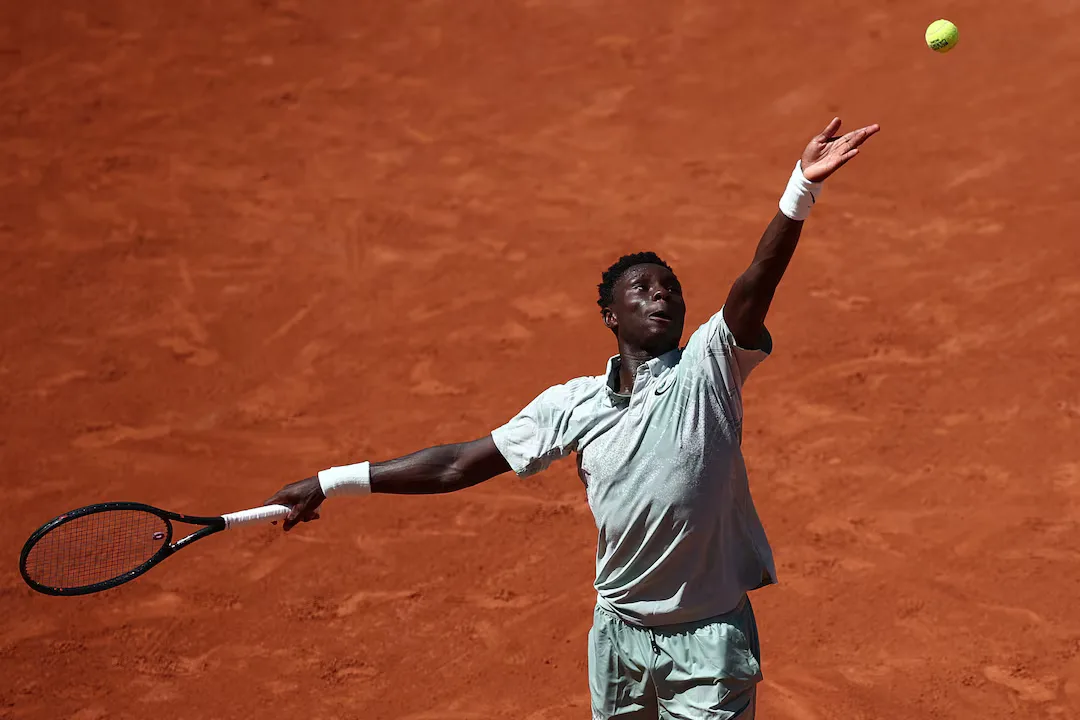
Red Clay Courts (e.g., Roland Garros, Rome, Monte Carlo)
Clay courts provide high friction as the crushed brick surface grips the ball, significantly reducing its forward velocity while exaggerating topspin bounce.
- Attrition and Endurance: Big servers lose their primary weapon because opponents have extra milliseconds to react and return. Rallies regularly extend past ten or twelve shots.
- Market Implication: Game handicaps on defensive baseline specialists against flat-hitting power servers frequently yield value. Break-of-serve frequencies rise significantly, creating ideal conditions for live in-play trading on return games.
Hard Courts (e.g., Australian Open, US Open)
Hard courts, composed of asphalt or concrete covered with synthetic acrylic resins, represent the middle ground of the tennis tour.
- High-quality hard courts provide consistent bounce and predictable ball trajectories. Players with balanced, all-court capabilities who transition cleanly between offense and defense dominate these surfaces.
Advanced Quantitative Metrics in Tennis
Handicapping tennis fixtures demands looking beyond basic ranking numbers and head-to-head records. Analyzing granular statistical metrics reveals authentic court advantages.
Tennis Handicapping Metrics
Hold and Break Percentages
The gold standard for assessing a tennis player's true baseline strength is combining their Service Hold Percentage with their Return Break Percentage:
$$\text{Total Dominance Metric} = \text{Hold %} + \text{Break %}$$
- Elite top-tier players consistently generate a combined total exceeding 108% to 112%.
- An average tour professional operates around 100%.
- If a player holds serve 88% of the time on hard courts and breaks opponents 24% of the time, their 112% rating demonstrates elite control. When a player's combined rating exceeds their opponent's by more than 8% on a given surface, pre-match game handicap lines often underestimate their margin of victory.
Break Point Conversion and Pressure Play
Raw break percentages can occasionally mislead if skewed by blowouts against low-ranked qualifiers. Evaluating how a player performs on "Pressure Points"—specifically break points saved when serving and break points converted when receiving—identifies mental resilience under tournament pressure.
Live In-Play Tennis Trading Strategies
Due to the continuous point-by-point scoring structure of tennis, live odds fluctuate with exceptional volatility, making the sport a favorite for exchange traders and in-play sports bettors.
| Live Game Situation | Market Reaction | Trading Strategy |
|---|---|---|
| Server Down 0-30 | Odds drift heavily | Back server if 1st serve > 68% |
| Underdog Breaks in Set 1 | Underdog odds surge | Lay underdog / Back favorite |
| Set 1 Lost by Favorite | Heavy drift on fav | Back favorite to win 2-1 |
Exploiting the "Broken Server" Overreaction
When an established server gets broken early in a set, automated bookmaker algorithms immediately adjust the set winner odds drastically in favor of the receiver.
- However, on slow surfaces like red clay or sluggish outdoor hard courts, service breaks are common occurrences rather than decisive blows.
- If an elite returner drops their opening service game due to a couple of unforced errors, backing them to break back immediately during the subsequent return game provides high-value entry prices before the scoreline stabilizes.
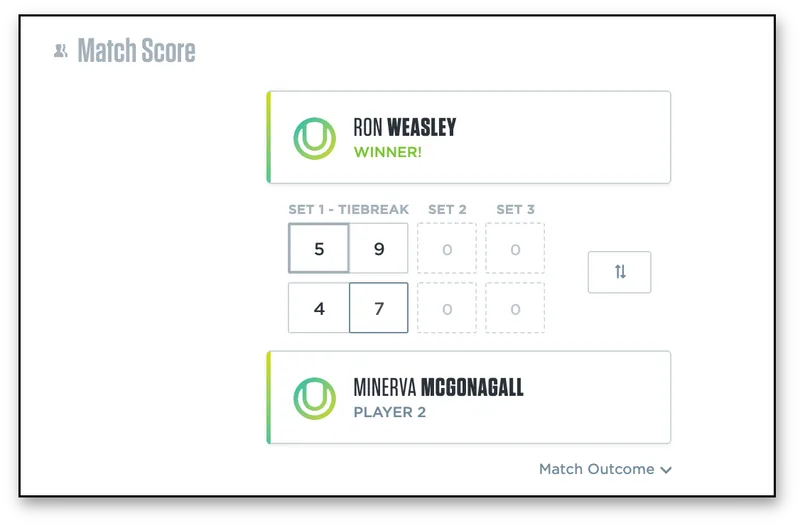
Trading the Tie-Break Swing
Tie-breaks are high-variance micro-contests where a single mini-break can swing the odds by 30 to 40 decimal ticks.
- Entering a trade by backing a server at the start of a tie-break and laying off the position the moment they secure a mini-break allows punters to lock in guaranteed profit using exchange green-up tools regardless of who ultimately closes out the set.
Bankroll Discipline and Tennis Retirement Rules
Before wagering significant capital on tennis, understanding operator settlement rules regarding player retirements is essential.
| Retirement Rule System | Mechanism | Risk Implication |
|---|---|---|
| Ball Served (One Ball) | Bet stands if 1 ball | High risk on injured players |
| One Set Completed | 1 full set required | Moderate risk protection |
| Match Completed | Must finish match | Maximum player protection |
Checking the Retirement Clause
Professional tennis players frequently withdraw mid-match due to muscle tears, heat exhaustion, or blisters. Different sportsbooks enforce varying settlement rules:
- One Ball Rule: If a single delivery is served and a player retires, all match bets stand, and the retiring player is settled as a loser.
- One Set Completed: The first set must reach a natural conclusion for match bets to stand; otherwise, all bets are voided.
- Full Match Completion: If a retirement occurs at any stage before the final match point, all match winner bets are declared void and stakes are returned.
Always review the terms on your platform (such as DarazPlay Terms and Conditions) to avoid unexpected settlement losses when backing players with known physical vulnerabilities.
Frequently Asked Questions
What happens to my tennis bet if rain halts the match?
If a tennis match is suspended due to rain, darkness, or adverse weather, bets remain open and active until the match resumes and concludes officially, even if the completion takes place on the following day.
How are game handicaps settled if a player retires mid-match?
If a player retires before the full match is completed, almost all sportsbooks void all game handicap and total game over/under markets because the final game count cannot be officially calculated. The only exception occurs if a specific line has already settled unconditionally (e.g., an "Over 18.5 Games" wager when the retirement occurs at 6-4, 5-5).
Why do women's tennis matches (WTA) feature more service breaks than men's (ATP)?
Men's tennis features higher average first-serve velocities (frequently exceeding 210 km/h), making aces and unreturnable serves far more frequent. Women's tennis features lower average serve speeds, allowing receivers to aggressively attack second serves and resulting in higher overall break-of-serve percentages.
Can I wager on individual games during a live set?
Yes, live in-play sportsbooks offer game-winner markets for every individual service game, as well as micro-props such as whether a game will go to deuce or the exact winning score of the game (e.g., Win to 15, Win to 30).
What is the most effective way to hedge a tennis parlay that reaches the final match?
If your multi-leg parlay has won its initial legs and only needs the final tennis match to settle, you can lay that player on a betting exchange or place a single wager on their opponent at a traditional sportsbook. This locks in guaranteed cash regardless of the final match outcome.
Related Guides and Resources
- Sports Betting Master Hub - Full catalog of sports markets, interfaces, and betting mechanics.
- Betting Exchange Architecture - Learn how to trade live tennis odds using peer-to-peer Back and Lay.
- Football Betting Manual - Explore Asian Handicap models and goal expectancy metrics.
- Upay Deposit Walkthrough - Simple guide to funding your sports balance via local mobile wallets.
- Responsible Gaming Tools - Set session duration limits, deposit controls, and manage wagering habits.
Frequently Asked Questions
If a tennis match is suspended due to rain, darkness, or adverse weather, bets remain open and active until the match resumes and concludes officially, even if the completion takes place on the following day.
If a player retires before the full match is completed, almost all sportsbooks void all game handicap and total game over/under markets because the final game count cannot be officially calculated. The only exception occurs if a specific line has already settled unconditionally (e.g., an "Over 18.5 Games" wager when the retirement occurs at 6-4, 5-5).
Men's tennis features higher average first-serve velocities (frequently exceeding 210 km/h), making aces and unreturnable serves far more frequent. Women's tennis features lower average serve speeds, allowing receivers to aggressively attack second serves and resulting in higher overall break-of-serve percentages.
Yes, live in-play sportsbooks offer game-winner markets for every individual service game, as well as micro-props such as whether a game will go to deuce or the exact winning score of the game (e.g., Win to 15, Win to 30).
If your multi-leg parlay has won its initial legs and only needs the final tennis match to settle, you can lay that player on a betting exchange or place a single wager on their opponent at a traditional sportsbook. This locks in guaranteed cash regardless of the final match outcome. ---